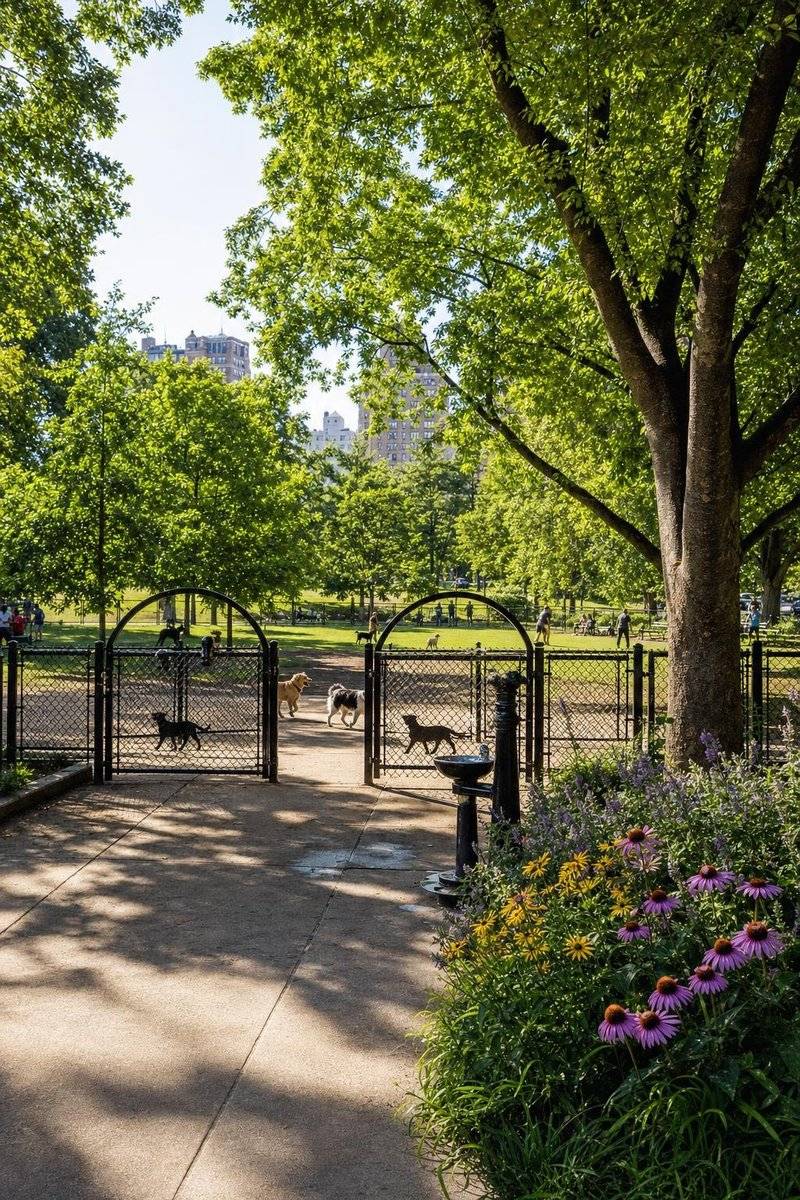
In the spring of 2015, Fort Lauderdale had set aside a tree-filled section of Holiday Park, about 61,000 square feet, for a new dog park. The plan split it into a large-dog area of 38,515 square feet and a small-dog area of 22,825, with water stations, picnic tables, benches and bike racks. Donations went directly to the city into a dedicated Holiday Park Dog Park fund. When the online campaign came close to its goal of $81,760 but not quite, the deadline was extended to the end of May. If you are working out how to build a dog park, that one project contains most of the answers: a city that owns the land, a clear layout, a dedicated fund and patience.
Dog parks have become one of the fastest-growing amenities in big-city park systems. The Trust for Public Land, which tracks park facilities in the 100 largest US cities for its annual ParkScore index, has reported steady growth in dog parks since it began counting them in 2009. Demand is not the hard part. Getting from a petition to a fence is.
01Win over the parks department first
Almost every public dog park sits on city or county land and is maintained by a parks department. That department needs to agree before anything else happens.
Start by showing demand in a form officials can use. A petition with local signatures helps. So does a short, factual case. A Framingham, Massachusetts resident made one online: the town had no enclosed dog park, and owners drove about six miles to Ashland State Park or Callahan Park. The same post noted that the necessary infrastructure was modest (grass, a waste can and a chain-link fence). That Framingham dog park idea drew local support online, and Framingham's dog park effort later received a design grant from the Stanton Foundation.
Then ask the parks staff directly: Is there a park with unused space? Who would mow, empty bins and repair the fence? Would the city accept donations into a restricted fund? Those three answers shape everything else.
02Choosing the site
A good dog park site has room for two separate areas, one for large dogs and one for small or shy dogs. It needs a buffer from homes, playgrounds and sports fields, both for noise and for safety. Parking or a walkable approach matters, as does good drainage, because a low spot turns to mud after every storm.
Shade is not optional in the South. Fort Lauderdale specifically chose a tree-filled part of Holiday Park.
Residents in Tampa's Seminole Heights neighborhood made the walkability case for a dog park at Henry and Ola Park. Their petition pointed out that the neighborhood, about five miles north of downtown, had no off-leash park within walking distance, and that dogs other than service animals were not allowed on city buses. The Seminole Heights dog park idea gathered close to 300 likes and laid out a full organizing committee: fundraising, business liaison, city liaison, media and outreach.
03Design basics
Most dog parks share the same core features.
Fencing. Usually chain-link, high enough that large dogs cannot clear it, with gates that close on their own.
Double-gated entries. A small holding pen between two gates lets owners unleash dogs without an escape. This is standard in nearly every modern design.
Surfacing. Grass is cheap and pleasant but wears out fast under heavy use. Many cities use wood chips, decomposed granite, gravel fines or synthetic turf in high-traffic zones. Each has trade-offs in cost, heat, drainage and cleaning.
Water. A drinking fountain with a dog-level bowl, and ideally a hose bib for cleaning. Running water to a site is often the single largest cost.
Waste stations and bins. With bag dispensers, emptied on a schedule the parks department can keep.
Benches, shade and rules signage. Posted rules (vaccinations, supervision, no dogs in heat, limits on young puppies) are the main enforcement tool most parks have.
Some cities add equipment. Indianapolis proposed a dog playground for the Canine Companion Zone at Paul Ruster Park on the east side, with an A-frame, an adjustable jump bar, a crawl tunnel, hoops, a training table and stepping obstacles. The Paul Ruster Park agility course campaign shows how a city can add a fundable extra to an off-leash area it already runs.
04Paying for it
Dog parks are usually funded from a mix of sources.
City capital money covers site work in many cases, especially when the dog park is part of a larger park renovation.
Foundation grants exist but are uneven across the country. Massachusetts is a special case: the Stanton Foundation has funded design and construction of enclosed dog parks in many Massachusetts towns, with the town contributing a share of construction costs through its budget or local fundraising. Outside Massachusetts, dog park money tends to come from community foundations, pet businesses and veterinary practices.
Donations are the rest. Dog owners give generously to a park they will use every day. Engraved pavers, sponsored benches, and named water fountains all work. In Fort Lauderdale 46 backers pledged more than $76,000 toward the Holiday Park plan, which says something about how much a single park can mean to a neighborhood with no other off-leash option. The Holiday Park dog park page records the full design.
For grant strategy beyond dog parks, see community grants, and for campaign formats, community fundraising ideas.
05After opening day
The work does not end with the ribbon. Successful dog parks usually have a friends group that organizes cleanup days, reports broken gates and raises money for repairs. The Seminole Heights petition planned for exactly that: the city's parks department would manage the park, with volunteers helping on maintenance. That split, city ownership plus a volunteer friends group, is the most common long-term arrangement in American dog parks.
FAQ
How much does it cost to build a dog park?
It depends on size, site work and features. A simple fenced area on flat, drained city land with an existing water line can be built for a modest budget. Larger parks with separate areas, water stations, shade and specialty surfacing cost much more. The Holiday Park plan in Fort Lauderdale set a fundraising goal of $81,760 for two fenced areas with water, benches and bike racks.
How big should a dog park be?
There is no single standard. Many cities aim for enough space to give large and small dogs separate areas, since mixing them causes most conflicts. Fort Lauderdale's Holiday Park plan used about 61,000 square feet, with the larger share for big dogs. A smaller neighborhood site can still work if it has good drainage, shade and a double-gated entry.
Who maintains a public dog park?
Usually the city or county parks department, which owns the land, mows, empties trash and repairs fences. Many parks also have a volunteer friends group that organizes cleanups, reports problems and raises money for upgrades. Agree on who does what before the park opens, and put it in writing with the parks department.
Are there grants for building dog parks?
Some. The Stanton Foundation funds design and construction of enclosed dog parks in Massachusetts municipalities. Elsewhere, community foundations, pet product companies, veterinary practices and local businesses sometimes fund dog parks or individual features. Many cities also fold dog parks into larger park projects funded through capital budgets or state recreation grants.
What surface is best for a dog park?
There is no perfect surface. Grass is pleasant but wears out under heavy use. Wood chips are inexpensive and soft but need regular topping up. Decomposed granite and gravel fines drain well and are easy to clean. Synthetic turf looks tidy but gets hot and needs sanitizing. Many parks combine surfaces, with harder materials near gates and water stations where traffic is heaviest.