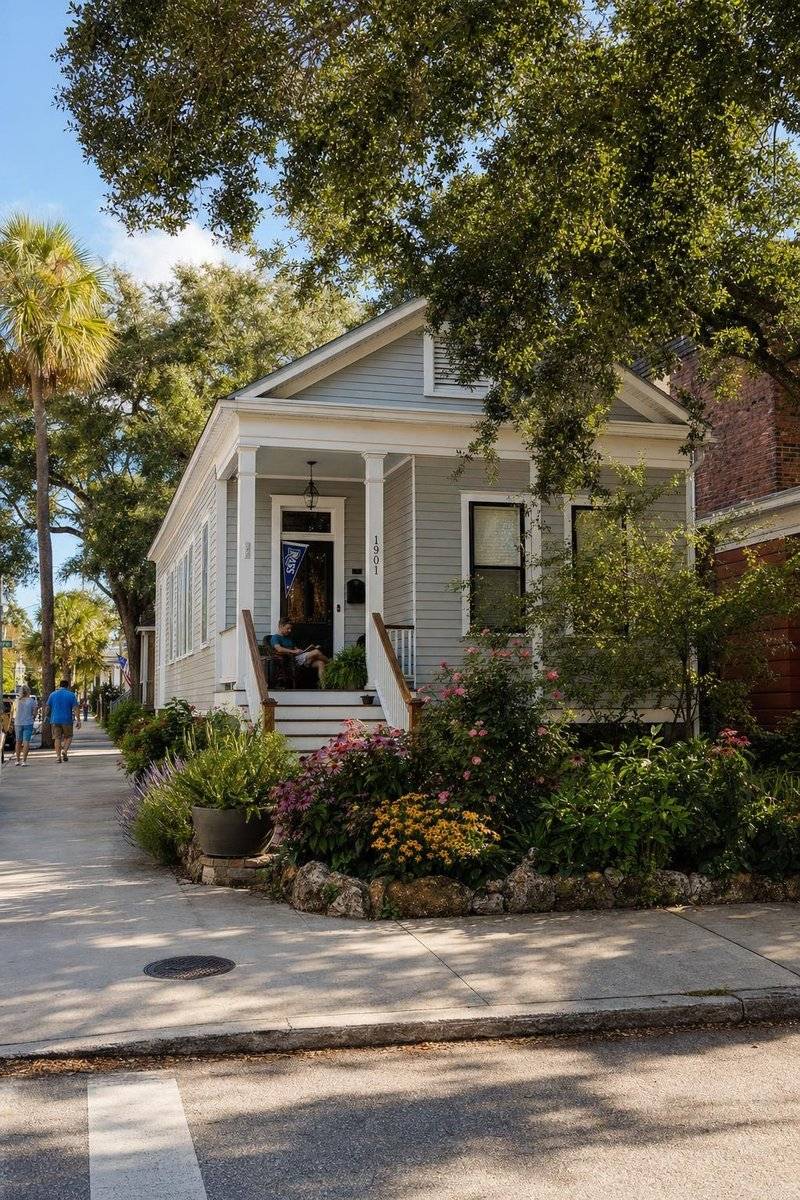
In May 2013 a small wooden house was lifted onto a truck in Ybor City and driven about a mile through Tampa. It had been built in 1905 and stood in the way of the widening of Interstate 4. For roughly fifty years it had been the home of Al Lopez, the catcher and manager who became Tampa's first native son in the Baseball Hall of Fame.
The plan was to turn it into a museum.
A baseball town
Lopez reached the major leagues in 1928 and went on to a long career behind the plate before managing the Cleveland Indians and the Chicago White Sox, winning an American League pennant with each. He was the first major league player, manager and Hall of Famer from Tampa. He was not the last Tampa player. More than 80 major leaguers have come from the city, a remarkable count for a place its size, and the campaign described Tampa as one of the best-represented communities in the game.
That record grew out of an unusual local baseball culture. Tampa's cigar factories fielded teams. The Latin social clubs of Ybor City, with Cuban, Spanish and Italian members, ran their own Inter-Social league. There were municipal leagues, Negro League teams, and later Little League. The museum was meant to cover all of it, from the major leagues down to the sandlots, and put a hundred and twenty-five years of Tampa baseball in context. The organizers called it a taste of Cooperstown in Tampa.
The house and the plan
The Ybor City Museum Society led the project. The Lopez house was given a new site at 9th Avenue and 19th Street in Ybor City, and renovations to convert it into exhibit space were under way by the fall of 2013. The museum was then slated to open in the spring of 2014, with permanent and rotating exhibits.
The capital campaign
The society set a $125,000 capital campaign goal to create the museum. An online civic crowdfunding campaign carried that goal, posted as $129,400 once card processing and service fees were added.
The structure was different from most neighborhood campaigns. Instead of many small gifts, it offered sponsorship-style tiers named after the game:
- Fan Club, $500: donor listing and a museum membership with admission tickets
- Diamond Club, $1,000: an invitation for two to a VIP opening reception
- Single ($2,500), Double ($5,000) and Triple ($10,000): larger reception invitations, annual passes and, from the Double level up, a brass marker on an exhibit section and a place on a "Wall of Fame"
- Home Run, $20,000: a marker on the prominent case featuring Lopez, plus a private reception and tour for 20 guests
- Grand Slam, $50,000: branding on a hanging scoreboard, an interactive touch-screen game or an infographic on Tampa's major leaguers, plus a sponsored free program for up to 50 Little League players or students
With 74 days left, seven backers had pledged $75,675, well over half the goal. That works out to more than $10,000 per backer on average, which suggests the money came from a few large donors rather than a crowd. No public source found for this page gives the campaign's final total.
Campaigns built on tiers like these sit somewhere between a crowdfunding page and a traditional donor drive. The site's guide to civic crowdfunding looks at how projects decide which model fits.
Spring 2014 became fall 2021
The opening took much longer than planned. The Tampa Baseball Museum at the Al Lopez House finally opened its doors on Saturday, September 25, 2021, with former Yankees and Rays manager Lou Piniella, himself a Tampa native, as honorary host. Coverage by Axios Tampa Bay and local television confirmed the date.
The museum sits at 2003 N. 19th Street in Ybor City. Sources differ slightly on who runs it day to day: Wikipedia credits the Ybor City Historical Society, while local reporting names the Ybor City Museum Society. The house itself was given to the museum by the City of Tampa.
A side note on Piniella
Piniella's presence at the opening was more than ceremonial. He grew up in West Tampa and is one of the 80-plus major leaguers the museum was built to honor. Having him open the house of the man who came first made the museum's argument in a single photograph.
From a house on a truck in 2013 to a ribbon on a porch in 2021, the project took eight years and a long series of renovations. The 1905 house is now the museum itself.